
DUAL OCCUPANCY
Ever thought about turning your single-dwelling block into a dual income dream?
Maximise Your Property's Potential
At Xpress Building Design, we've built a solid reputation for excellence. Our team, boasting over 20 years of experience, is here to turn your vision into reality. We handle everything in-house, ensuring smooth processes from design to council approvals across Melbourne. As Registered Building Practitioners (RBP) and members of the Building Designers Association of Victoria (BDAV), we guarantee top-notch service and compliance with the Australian Building Code's regulations (BCA).
DUAL OCCUPANCY MELBOURNE
Dual occupancy homes are a game-changer for property investors. We've seen countless investors struggle with low returns, but these homes can flip the script.
Here's the deal: You get two separate living spaces on one block of land. This means double the rental income and better capital growth. It's simple math - more tenants equals more cash in your pocket.
But it's not just about the money. These homes are versatile as hell. You can house extended family or set up a killer work-from-home setup. The possibilities are endless.
Look, if you're serious about boosting your ROI, dual occupancy homes are worth a hard look. They're not some magic bullet, but they're a solid strategy for unlocking more value from your investment.
Want higher returns? Want to actually succeed in property investing? Dual occupancy homes might be your ticket. Let's book a call about how dual occupancy can work for you.
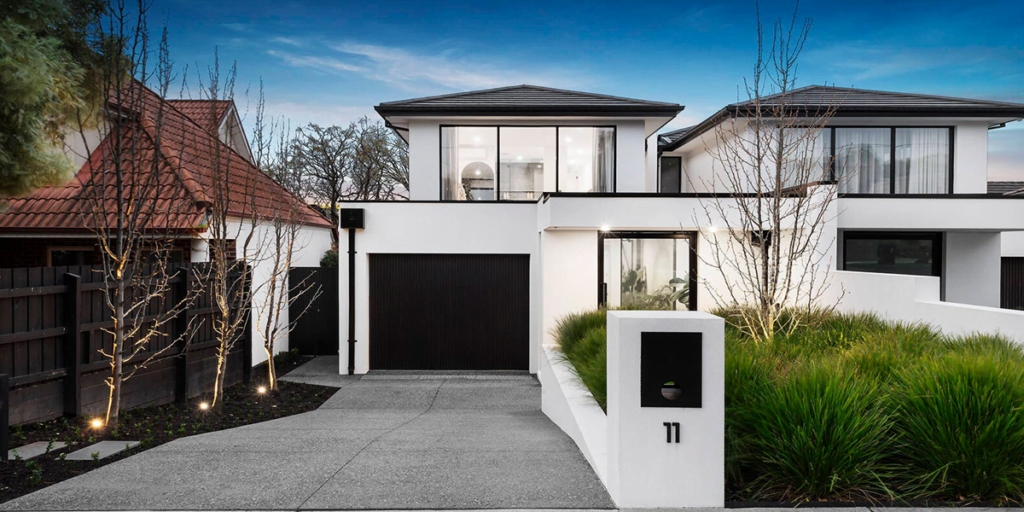
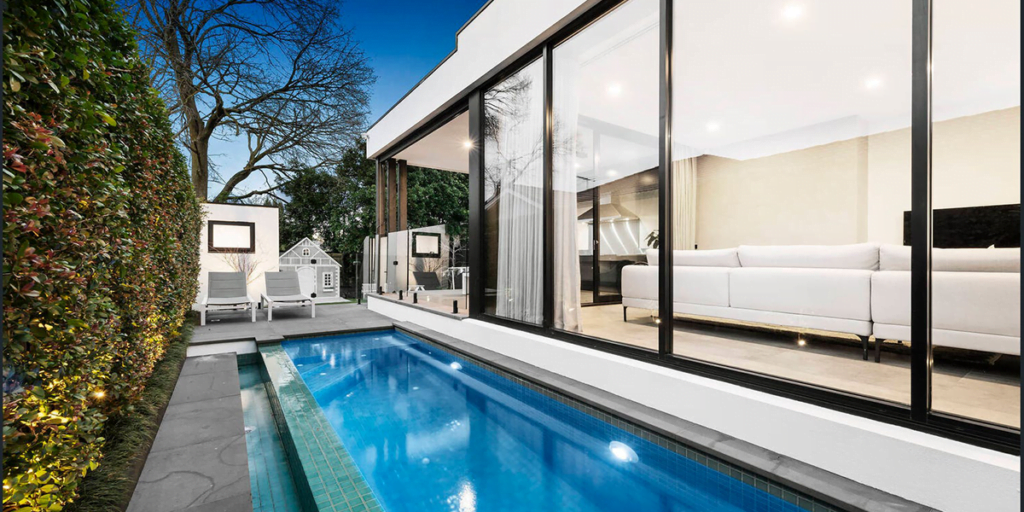
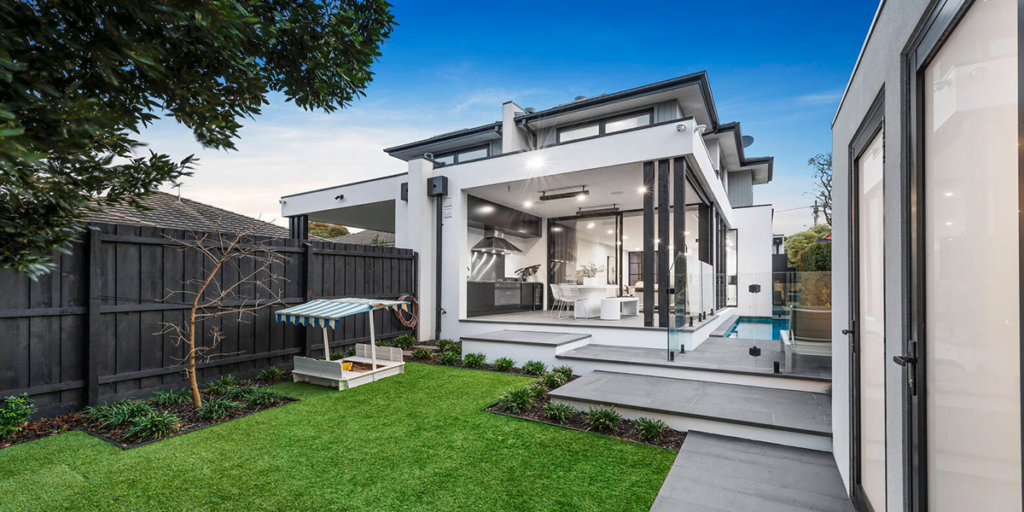
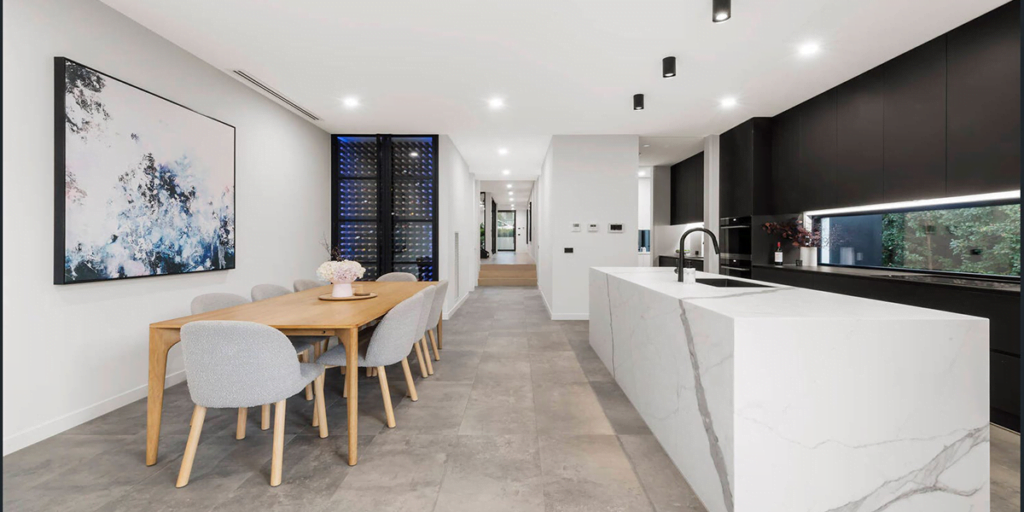
What is dual occupancy?
It's not rocket science, but it's a game-changer in the property world.
So, what's the deal? Dual occupancy means you can slap two homes on one block of land. Simple as that. They can be stuck together or separate - whatever floats your boat and fits the local rules.
Why's it catching on? Well, it's a smart way to squeeze more value out of your land. Plus, it can put some extra cash in your pocket. Who doesn't want that?
These dual occupancy setups come in different flavours. You might see duplexes, granny flats, or even two full-on houses sharing the same patch of dirt. The key thing is this: two families, one block.
It's not fancy, it's not complicated. It's just a practical way to make the most of what you've got. And in today's property market, that's worth its weight in gold.
DUAL OCCUPANCY VS DUPLEX VS TOWNHOUSE - WHAT'S THE DIFFERENCE?
People throw these three terms around like they mean the same thing. They don't. Here's the deal.
Dual occupancy is the big umbrella term. It simply means two dwellings on one block of land. They can be side by side, one behind the other, attached or detached - whatever works for your block and your council. The key thing? Both sit on the same title. You don't have to subdivide, though you can if you want to sell them separately later.
A Duplex is a type of dual occupancy. Specifically, it's two homes that share a common wall, think mirror-image homes joined in the middle. When people search for dual occupancy house plans, a duplex-style layout is often what they have in mind - one block, two mirrored homes, one shared wall down the middle. But dual occupancy floor plans come in plenty of other configurations too. Two completely separate homes on one block with no shared wall? Still dual occupancy. Still on the same title.
A Townhouse is a different story. Townhouses are part of a multi-dwelling development, typically three or more dwellings on one lot. They're usually two storeys, often share walls with neighbours, and each sit on their own subdivided title. The planning process for townhouses is generally more involved, more expensive, and takes longer.
So why does it matter which one you're building? Because the approvals pathway, timeline, and cost are completely different. Dual occupancy is the simpler, faster, and more cost-effective entry point for most investors. If you're new to development or working with a standard suburban block, it's usually the smartest place to start.
Not sure which one suits your site? That's exactly what our free site appraisal is for.
The benefits of dual occupancy homes
Dual occupancy homes are reshaping the property game, and here's why you should care:
More Cash in Your Pocket
Picture this: two rent cheques instead of one. That's the reality with dual occupancy homes. You're essentially doubling your income potential without doubling your costs. It's simple maths, but it makes a big difference to your bottom line.
Flexibility That Fits Your Life
These homes aren't just about making money. They're about adapting to life's curveballs. Need space for Gran? Done. Want a home office that doesn't take over your living room? Sorted. Dual occupancy homes give you options, and in today's world, options are gold.
Your Property, Growing Like a Weed
Here's the kicker: dual occupancy homes tend to grow in value faster than their single-dwelling cousins. Why? Because savvy buyers and renters know a good deal when they see one. More income potential equals higher demand, and higher demand drives up value. It's a virtuous cycle that puts more money in your pocket.
Look, property investment isn't rocket science, but it does require smart choices. Dual occupancy homes tick a lot of boxes: more income, more flexibility, and more growth potential. If you're serious about maximising your property returns, they're worth a hard look.
Remember, in the property game, it's not just about buying a house. It's about buying a strategy. Dual occupancy could be yours.
WHICH MELBOURNE ZONES ALLOW DUAL OCCUPANCY?
Not every block in Melbourne plays by the same rules. Your land zone determines what you can build, and how much of a fight it'll be to get approved. Here's what you need to know.
GENERAL RESIDENTIAL ZONE (GRZ)
This is the zone covering the largest share of Melbourne's established suburbs. GRZ is the sweet spot for dual occupancy. It supports moderate housing growth, allows dual occupancies with a standard planning permit, and gives you the most flexibility to work with. If your block sits in GRZ, you're in good shape.
NEIGHBOURHOOD RESIDENTIAL ZONE (NRZ)
This is the trickier one. NRZ is applied where councils want to limit growth and protect neighbourhood character - councils like Boroondara, Bayside, and Stonnington use it extensively. Dual occupancy is still possible here, but height limits are tighter, setbacks are stricter, and applications get more scrutiny. It can be done, but you need a designer who knows how to get it across the line.
RESIDENTIAL GROWTH ZONE (RGZ)
The most development-friendly zone, typically located near train stations and major retail strips. RGZ is built for higher-density projects, townhouses, apartments, and four-storey-plus developments. Simple dual occupancy here is less common. If your site is RGZ, there's likely more upside on the table than a standard dual occ.
Bottom line: GRZ is where most dual occupancy projects happen in Melbourne. Check your zone before you do anything else, it sets the rules for everything that follows.
Dual occupancy home statistics
Dual occupancy homes are blowing up, and the stats back it up.
Look, the Australian Bureau of Statistics dropped some data that'll make you sit up and take notice. Over the last decade, dual occupancy dwellings have shot up by 45%. That's not just growth – that's a bloody revolution in property development.
But here's where it gets juicy. These dual occupancy spots are smashing traditional single-dwelling properties out of the park. We're talking rental yields of 5% or more, while your average single-dwelling property is scraping by with 3-4%.
And when the economy's gone to shit? Dual occupancy homes have stood their ground. They're like the heavyweight champs of real estate – taking punches and staying on their feet while other investments are hitting the canvas.
Bottom line: If you're not looking at dual occupancy, you're leaving money on the table. It's that simple.
Dual occupancy home design considerations
This ain't rocket science, but it's not child's play either. Here's what you need to know.
Site analysis
First things first, scope out your land. Size, shape, sun exposure - it all matters. Check local rules too. No point dreaming big if council says no.
Layout and floor plans
Make every square metre count. Each home needs its own outdoor space and entrance. Privacy's key - nobody wants to feel like they're living in a share house.
Looks
Your dual occupancy shouldn't stick out like a sore thumb. Match the neighbourhood vibe. Pick materials and colours that work together. A good-looking property's worth its weight in gold.
Remember, smart design's the difference between a cash cow and a money pit.
HOW LONG DOES DUAL OCCUPANCY APPROVAL TAKE IN MELBOURNE?
It's the first question every investor asks. The honest answer: it depends on your zone, your council, and how well your application is put together. Here's a realistic breakdown.
DESIGN PHASE - 4 TO 8 WEEKS
Getting the design right upfront is the single biggest thing you can do to control your timeline. A well-prepared application cuts back-and-forth with the council. Rushing this stage costs you more time in the long run.
PLANNING PERMIT - 3 TO 6 MONTHS
This is where timelines vary the most. Some applications qualify for the fast-tracked VicSmart pathway — as quick as 10 business days if your project meets specific standards. Most standard dual occupancy applications sit in the 3 to 6 month range. If neighbours object and the application gets advertised, it can stretch further.
BUILDING PERMIT - 4 TO 8 WEEKS
Once planning is locked in, the building permit is the technical compliance check. Your drawings need to stack up against the Building Code of Australia before a shovel hits the ground.
CONSTRUCTION - 9 TO 14 MONTHS
Depends on size, materials, and your builder. For a standard dual occupancy in Melbourne, this is a realistic window.
Total project timeline from first sketch to handover: roughly 18 to 24 months for most Melbourne dual occupancy projects.
The best way to compress that timeline? Get the design right the first time. Councils flag poor applications fast, and one request for further information can cost you weeks. That's why the design stage isn't the place to cut corners.
The financial implications of dual occupancy
Let's dive into the money side of dual occupancy homes. Here's the deal
Building costs
Look, building two homes on one block ain't cheap. You've gotta factor in the usual stuff like materials and labour, but don't forget about council permits and maybe even upgrading the utilities. Get solid quotes and budget for surprises.
Rental income
Here's where it gets juicy. Two homes mean two tenants, which could mean more cash in your pocket. But don't just assume you'll be rolling in it. Check out what similar places are going for in the area. Know your market.
Tax implications
This is where things can get tricky. You might save some dough on tax, but you could also get hit with extra charges. Talk to a tax pro who knows their stuff about property investing. They'll help you figure out how to make the most of your setup.
Bottom line
Dual occupancy can be a smart move, but do your homework first. Crunch the numbers, understand the risks, and make sure it fits your long-term strategy. Don't just jump in because it sounds good on paper.
Dual occupancy home financing options
Funding Your Dual Occupancy Investment.
Got your eye on a dual occupancy property? Let's talk cash. Here's how you can make it happen:
Standard Home Loan
Walk into a bank, flash your credit score and income, and voila! You might score a regular mortgage. It's as straightforward as it gets.
Construction loan
Building from Scratch? Try a Construction Loan
This bad boy gives you money in chunks as your project progresses. Once you're done, it usually morphs into a normal home loan. Neat, right?Equity release
Tap into Your Existing Property
Already got a place? Sweet. You might be able to borrow against its value to fund your new venture. It's like your current property is your personal piggy bank.
Look, financing a dual occupancy investment isn't rocket science. But it's not child's play either. Do your homework, crunch the numbers, and pick the option that won't keep you up at night.
Remember, the right choice depends on your situation. So, think hard before you leap. Your future self will thank you.
Need more details? Just contact us. We are here to break it down further if you need.
Dual occupancy home building process
Building a dual occupancy home involves several steps and considerations. Here's an overview of the typical building process
Design Phase
Team up with a designer who knows their stuff. Don't skimp here. You need someone who can turn your vision into reality while keeping the council happy. Think smart layouts, killer features, and a design that won't blow your budget.
Planning and permits
Buckle up, 'cause this part's a slog. You'll be drowning in paperwork and dealing with bureaucrats. But listen, play by the rules and you'll sail through. Submit your plans, show up to meetings, and make sure you're ticking all the boxes.
Construction
Time to get your hands dirty. Find a builder who's not just good, but bloody brilliant. You want someone who'll treat your project like it's their own. Keep a close eye on things, but let the pros do their job.
Completion and handover
Final stretch, mates. Get that last tick of approval from the inspectors. Once you're in the clear, it's time to pop the champagne and hand over the keys.
Dual occupancy home rental strategies
Want to squeeze every dollar out of your dual occupancy home? Here's how to play it smart
Target specific tenant demographics
Know your tenants
Figure out who'll rent each place. Young hotshots in one, families in the other? Tailor your approach. Give 'em what they want.Differentiate the dwellings
Make each spot unique
Highlight what makes each dwelling special. Private courtyard? Separate entrance? Flexible layout? Play these up. People pay for perks.Market the property effectively
Market like you mean it
Get your property out there. Use online listings, social media, real estate agents - the works. Pro tip: Invest in quality photos and virtual tours. They're worth it.
Conclusion
Looking to boost your property returns? Dual occupancy homes might be your ticket.
These smart investments let you tap into multiple income streams and potentially see bigger growth. More and more switched-on investors are catching on.
But here's the deal: you've got to nail the design, crunch the numbers, and get your rental strategy sorted. Do it right, and you're setting yourself up for a win.
Ready to level up your portfolio? It's time to give dual occupancy a hard look.
WOULD YOU LIKE A FREE SITE APPRAISAL?
Contact Us Today
Thinking about dual occupancy in Melbourne? Let's contact us. Xpress Building Design can help you make it happen. Our team knows the ins and outs of these projects.
Dual occupancy homes aren't just a trend – they're a smart move. You could boost your property value and create a new income stream. It's a win-win.
We're here to guide you from start to finish. No fancy talk, just straight facts and solid advice.
Ready to explore your options? Give us a bell. Let's turn your property into something bigger and better.
Don't sit on this opportunity. The Melbourne property market is hot, and dual occupancy is heating up. Get in touch now and let's get cracking.