
What Is a Rooming House Investor? Benefits, Returns, and Key Investment Insights
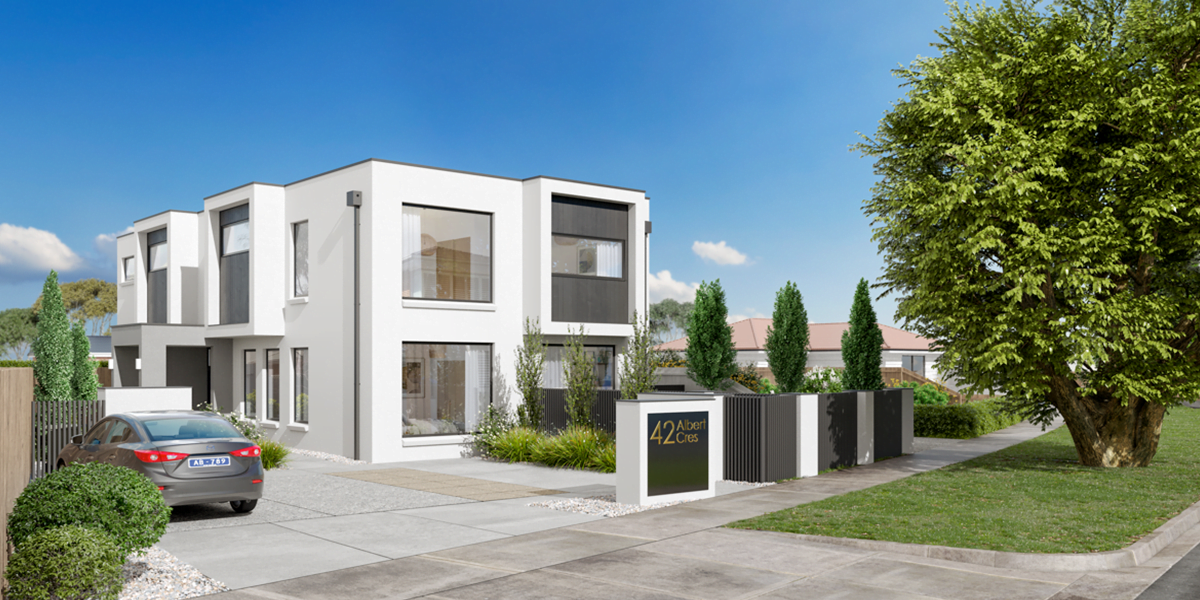
Rooming houses represent a strategic investment avenue for those seeking high-yield returns in the property market, particularly amid rising demand for affordable housing. These properties, designed for multiple tenants renting individual rooms, offer rooming house investors distinct financial and social advantages over traditional rentals.
What is a Rooming House Investor?
Being a rooming house investor, a merchant will purchase, build or operate shared accommodation houses where personal rooms are rented to several tenants, which yields a number of income streams in a single residential piece of land. These investors take advantage of the fast-growing urban markets by developing Class 1B buildings that meet the local requirements, maximize the space to occupancy ratio, and provide tenants with privacy, communal amenities such as kitchens and laundry rooms.
Key Facts About Rooming Houses
Rooming houses are shared facilities, in which occupants rent single rooms but share facilities such as kitchens and bathrooms, frequently maintained to be safe and habitable. They serve singles, students, or employees who require low-cost solutions, and the occupancy is high because of the lack of housing in the city and the increase in the number of one-person families. In some markets such as Australia, friendly legislation in some regions such as Queensland and Melbourne enables their growth with the focus being set on purpose-built designs that accommodate as many rooms as possible and facilities.
Core Benefits for Investors
Investing as a rooming house investor yields superior cash flow, often 2-3 times higher than single-tenant properties, with examples generating $104,000–$130,000 in annual gross income from weekly room rents of $420–$520. These assets achieve positive gearing quickly, enabling portfolio expansion through steady income and lower vacancy risks due to constant demand. Additional perks include tax deductions via high depreciation on furnishings and structures, plus diversification that buffers economic cycles.
Strategic Design Considerations
Effective rooming houses prioritize layouts with private ensuites, secure communal spaces, and modern features to boost tenant retention and rental rates. Compliance with local regulations ensures longevity, while competitive construction focuses on durability and value retention for sustained investor returns. High-spec builds incorporating accessibility enhance appeal, addressing both tenant needs and market gaps.
Investment Success Tips
- Research the market very well and focus on high-demand urban areas with minimal vacancy rates.
- Automatize property management of 5+ rooms to maximize returns and reduce operating costs.
- Multiplier-tenant-specific leverage financing to quicker positive cash flow.
Conclusion
The rooming house investors will achieve credible fortune-building with high yield, consistent occupancy, and community contribution with the low-cost housing remedies. It is a stable option to consider in changing real estate environments because it fits the needs of those who have cash flow as the primary focus of their investments instead of capital expansion.
For more detailed insights on rooming house opportunities, explore proven investment strategies tailored to high-demand markets. Contact us today to discuss how these properties can enhance your portfolio.
FAQ
Q1.What is a rooming house investor?
Ans.A rooming house investor owns or develops properties renting individual rooms to multiple tenants, capitalizing on higher collective rents for strong returns.
Q2.Are rooming houses profitable?
Ans.Yes, they often deliver 2-3x yields of standard rentals with positive cash flow from day one, supported by demand for affordable options.
Q3.What regulations apply to rooming houses?
Ans.Local laws mandate safety features, room sizes, and shared facility standards; purpose-built designs ensure full compliance